
DIY vs. Professional: What’s the Real Cost of Wood Fence Installation in Atlanta?
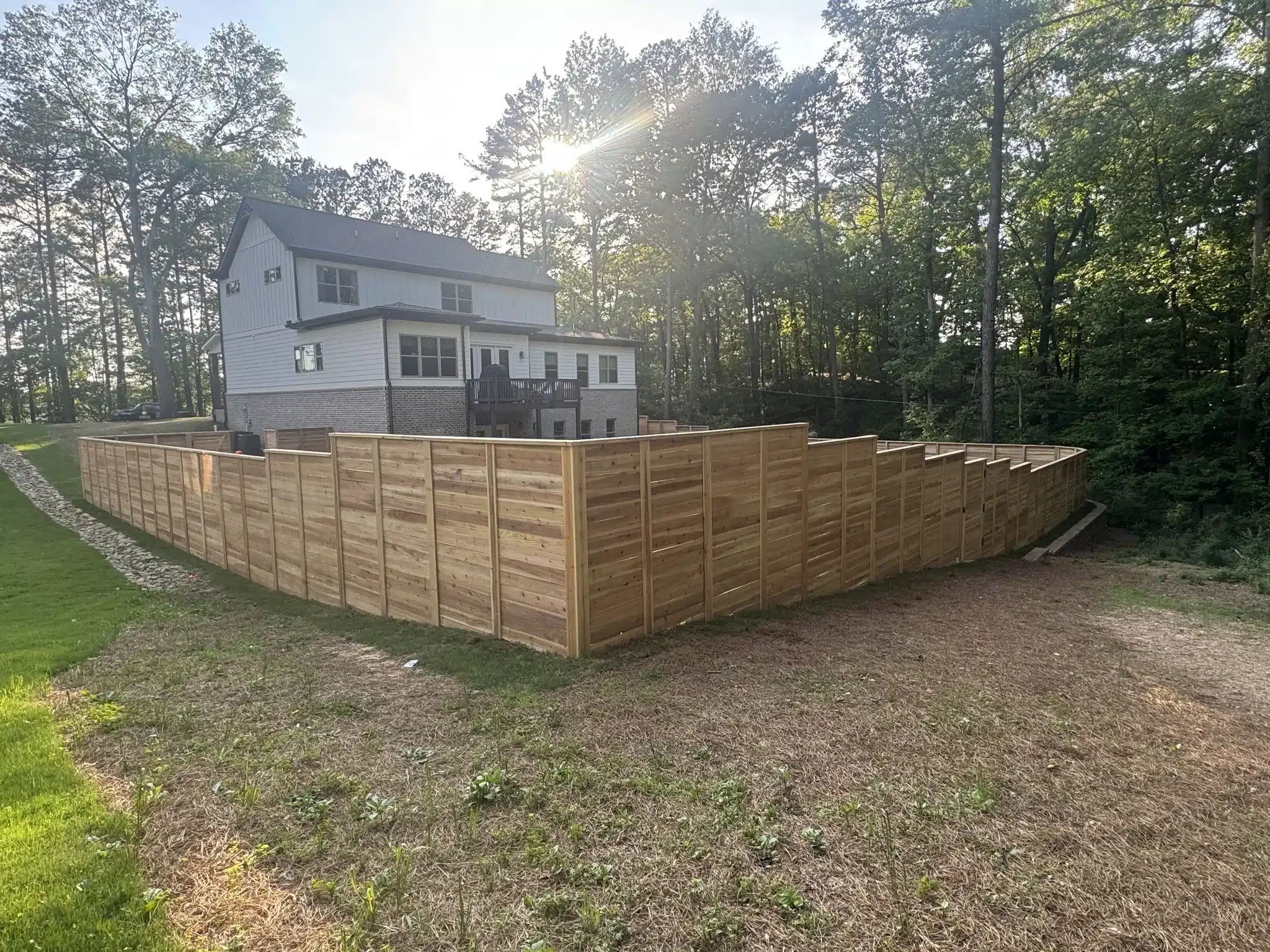
Installing a wood fence forces homeowners to choose between the apparent savings of DIY work and the long-term value of professional installation, especially in Atlanta’s varied metro environment.
This article explores the real cost of installing a wood fence in Atlanta in 2025, comparing average prices, per-linear-foot pricing, and hidden DIY expenses. Readers will learn how material choice, local permit rules, labor rates, terrain, and long-term maintenance influence the total cost of ownership, and will gain a framework for choosing between DIY and professional installation.
Is it cheaper to build a wood fence yourself in Atlanta?
DIY wood fence projects in Atlanta often appear cheaper upfront by cutting labor costs. Still, they quickly add up with costs for tools, permit missteps, and potential rework, making the actual savings questionable once all factors are considered.
Average DIY material costs in Metro Atlanta
Homeowners must budget for materials like posts, rails, pickets, concrete, fasteners, and finishing treatments. Essential materials like pressure-treated posts and rot-resistant boards are crucial for Atlanta's humidity, adding to upfront costs but reducing rework.
| Item | Attribute | Estimated Cost Range (Atlanta) |
| Concrete per bag | Material | $5 — $8 per bag |
| Pressure-treated lumber | Material per linear foot | $8 — $20 |
| Fasteners and hardware | Material per project | $75 — $250 |
Tools and equipment most homeowners forget to budget
A DIY job requires a mix of specialized tools, including a post-hole digger or auger, a circular saw, a level, a string line, and a concrete mixer or mixing tools.
Tool rental options reduce upfront investment but increase daily costs, which can accumulate quickly over several days.
| Item | Attribute | Estimated Cost Range (Atlanta) |
| Post-hole auger (rental) | Tool rental/day | $50 — $150 |
What does professional wood fence installation cost in Atlanta?
Professional wood fence installation in Atlanta typically ranges from $20 to $55 per linear foot, depending on material, fence height, and labor, offering predictable pricing and long-term value.
Typical price ranges per linear foot
Atlanta contractors generally price work by the linear foot, with standard 6-foot privacy fences made of pressure-treated wood often falling in the $20–$40 per linear foot range. Higher-end species like western red cedar typically cost $30–$55 per linear foot.
| Material / Configuration | Typical Unit | Typical Range (2025 Atlanta) |
| Pressure-treated pine, 6' privacy | Per linear foot | $20 — $40 |
| Western red cedar, 6' privacy | Per linear foot | $30 — $55 |
| Picket or rail, 3–4' height | Per linear foot | $15 — $30 |
| Typical 100-ft project total (pine) | Project | $2,000 — $4,000 |
| Typical 200-ft project total (cedar) | Project | $6,000 — $11,000 |
What’s included in a contractor’s price
A professional quote typically includes materials, labor, permit assistance, and, often, gate hardware, with costs influenced by site conditions such as soil composition, slopes, and the number of gates.
Reputable installers also provide warranties and liability insurance to cover defects and accidental damage.
Trained installers optimize material selection for Georgia’s humidity and soil types, specifying deeper footings, proper post treatment, and drainage where needed to extend fence life and minimize maintenance. This comprehensive approach ensures a durable installation and mitigates risks for the homeowner.
What hidden costs make DIY wood fences more expensive than expected?
DIY wood fence projects often incur hidden costs from rework, unforeseen material shortages, and administrative fees, quickly eroding initial material savings.
These unexpected expenses can make the total DIY cost comparable to, or even exceed, the cost of professional installation.
- Rework due to mistakes: Improperly set posts, poor alignment, or incorrect fasteners lead to leaning fences that require re-digging and replacement, wasting both labor and materials.
- Material shortages: Underestimating linear footage or cutting waste can lead to mid-project material shortages and rush purchases at premium prices.
- Permit missteps: Failing to secure proper permits or adhere to local regulations can result in fines, stop-work orders, or mandated removal and reinstallation.
- Tool rental accumulation: Daily rental costs for specialized equipment like augers or mixers can add up significantly over a multi-day project.
- Safety and liability: Failing to mark utilities can cause dangerous, costly damage, while personal injury during DIY work can lead to medical expenses not covered by professional insurance.
How much time does DIY fence installation really take vs. professional installation?
DIY fence installation typically requires a significant time investment from the homeowner, often spanning several weekends. In contrast, professional installation offers a predictable timeline, completing projects efficiently within days or a week.
The time saved by hiring a professional can be a substantial non-monetary cost for homeowners.
- DIY Time: Expect to spend considerable hours on planning, material sourcing, digging, setting posts, cutting, fastening, and finishing. This can easily amount to 40–80+ hours for a moderate-sized fence, spread over weeks.
- Professional Time: Contractors streamline the process with experienced crews and specialized equipment, often completing projects in 1–5 days depending on complexity and length. They also handle permits and inspections, preventing homeowner delays.
How does Atlanta's clay soil and terrain affect installation costs?
Atlanta’s heavy clay soil and varied terrain significantly increase wood fence installation costs by requiring more labor and specialized techniques for post footings.
Rocky or clay-heavy ground increases post-hole digging time and may necessitate more concrete or special footings, raising labor cost per linear foot.
Sloped lots or uneven terrain require more precise leveling and potentially custom-cut materials, adding to both labor hours and material waste.
Accounting for these environmental factors upfront minimizes repair needs and overall lifecycle cost, making professional expertise particularly valuable in the Atlanta metro area.
Do permits and HOAs in Atlanta impact fence cost?
Yes, permits and HOA reviews in Atlanta metro counties add administrative costs and potential delays to wood fence installation projects.
These requirements can include application fees, site plan submissions, and design approvals, all of which contribute to the overall project budget and timeline.
Standard permit requirements in Metro Atlanta
Fence permit requirements across Atlanta metro counties typically hinge on fence height, proximity to right-of-way, and visibility from public streets, with fees and inspection processes varying by county and municipality.
Many projects require an application, a site plan showing property lines and the proposed fence location, and, sometimes, HOA approval before a permit will be issued.
Missing any of these steps can result in fines or forced removal, making it crucial to check local county building department guidance early. Contractors often assist clients with navigating and submitting permits, reducing administrative burden and the risk of work stoppages.
How does a professionally installed wood fence affect home value?
A professionally installed wood fence can positively affect home value by enhancing curb appeal, providing privacy and security, and demonstrating quality craftsmanship.
Professional installation ensures the fence is structurally sound, aesthetically pleasing, and compliant with local regulations, minimizing future maintenance issues.
This reliability and longevity, especially with higher-end materials like Western Red Cedar, can offer a strong return on investment compared to a poorly executed DIY job that might detract from value.
What are the most common DIY wood fence mistakes in Atlanta?
Common DIY mistakes that increase fence installation costs include insufficient post depth, poor post alignment, incorrect use of fasteners, and inadequate drainage or treatment that accelerates rot.
Fixing these issues often costs more than hiring a professional initially.
- Inadequate post depth: Leads to leaning fences that require re-digging and replacement posts, wasting labor and material.
- Poor alignment or leveling: Results in an uneven or unsightly fence that may require section replacement.
- Using wrong fasteners or untreated wood: Accelerates premature rot and failure, especially in Atlanta’s humid climate.
- Ignoring utility marking: Can cause dangerous and costly damage to underground lines.
- Improper drainage: Allows water to accumulate around posts, significantly shortening the fence's lifespan.
When does hiring a professional fence contractor make more sense?
Hiring a professional fence contractor makes more sense for complex, long runs, uneven terrain, or HOA-controlled properties, as well as for homeowners seeking predictable timelines, warranty protections, and reduced long-term risk.
Professionals bring expertise in local permit requirements, zoning rules, and HOA review processes, streamlining project approval.
For projects where homeowners lack the necessary tools, carpentry experience, or sufficient time, the DIY savings can quickly erode.
Professional installation ensures durability, optimizes material selection for Georgia’s climate, and provides peace of mind through warranties and liability insurance.
What’s the actual cost difference between DIY and professional wood fences in Atlanta?
The actual cost difference between DIY and professional wood fences in Atlanta often narrows significantly when accounting for all factors beyond initial material costs.
While DIY can save on labor, the added expenses of tools, permits, potential mistakes, and the value of your time can make professional installation a more cost-effective choice in the long run.
DIY vs Professional Cost Comparison Table
| Factor | DIY Installation | Professional Installation |
| Upfront Cost | Lower (materials + tools/rentals) | Higher (materials + labor + overhead) |
| Time Investment | Significant (weeks/weekends) | Minimal homeowner time (days) |
| Hidden Expenses | High risk (rework, mistakes, permit fines) | Low risk (included in quote, warranties) |
| Quality & Durability | Varies by skill; potential early failure | High, optimized for local conditions, longer lifespan |
| Warranties/Protections | None (homeowner assumes all risk) | Material & labor warranties, liability insurance |
| Resale Impact | Neutral/negative if poorly done | Positive, enhances property value |
| Long-Term Cost | Potentially higher (repairs/early replacement) | Often lower (durability/less maintenance) |
Frequently Asked Questions
What are the benefits of hiring a professional for wood fence installation?
Hiring a professional for wood fence installation offers several advantages, including expertise in local regulations, efficient project management, and warranty protections.
Professionals understand the nuances of permit requirements and HOA guidelines, helping homeowners avoid costly mistakes. Their experience ensures that the installation is done correctly, minimizing the risk of future repairs.
Additionally, many contractors offer warranties on both materials and labor, providing peace of mind that any issues will be addressed without additional cost.
How can I maintain my wood fence to extend its lifespan?
To extend the lifespan of your wood fence, regular maintenance is essential. This includes sealing or staining the wood every 2–4 years to protect against moisture and UV damage.
Inspect the fence periodically for signs of rot, insect damage, or loose fasteners, and address any issues promptly.
Ensure proper drainage around the fence posts to prevent water accumulation, which can lead to decay. Keeping vegetation trimmed away from the fence can also help reduce moisture retention and improve airflow.
What should I consider when choosing wood for my fence?
When selecting wood for your fence, consider durability, maintenance requirements, and aesthetic appeal.
Pressure-treated pine is cost-effective but requires regular sealing to prevent rot, while western red cedar offers natural resistance to decay and insects, making it a longer-lasting option.
Additionally, think about the climate in Atlanta, as humidity can affect wood performance. Your choice should balance initial costs with long-term maintenance and the look you want for your fence.
Are there any environmental considerations for wood fence installation?
Yes, environmental considerations play a significant role in wood fence installation.
In Atlanta, the humid subtropical climate can accelerate wood decay, making it crucial to choose rot-resistant materials and ensure proper drainage.
Additionally, local wildlife, such as termites, can pose a threat to wooden structures. Homeowners should also consider sustainable wood sourcing to minimize environmental impact. Using certified sustainable wood can help reduce deforestation and promote responsible forestry practices.
What tools are essential for a DIY wood fence installation?
Essential tools for a DIY wood fence installation include a post-hole digger or auger for digging holes, a circular saw for cutting wood, a level to ensure posts are straight, and a string line for alignment.
Additionally, a concrete mixer or mixing tools are necessary for setting posts securely.
Safety gear, such as gloves and goggles, is also essential. Renting tools can be a cost-effective option if you don’t own them, but be sure to factor in rental costs into your budget.
How do I determine the right height for my wood fence?
Determining the right height for your wood fence depends on local regulations, privacy needs, and aesthetic preferences.
In Atlanta, many municipalities have specific height restrictions, especially for front yard fences. Consider your purpose: if privacy is a priority, a taller fence may be necessary, while decorative purposes might require a lower height.
Additionally, consult with neighbors to ensure your fence complements the surrounding properties and adheres to any HOA guidelines.
What are the common signs that my wood fence needs repair?
Common signs that your wood fence needs repair include visible rot or decay, leaning or unstable posts, and broken or missing boards.
If you notice gaps between the boards or if the fence is sagging, it may indicate structural issues. Additionally, check for insect damage, such as termite tunnels or holes.
Regular inspections can help catch these problems early, enabling timely repairs that extend your fence's life and maintain its appearance.
Ready to Decide Between DIY and Professional Fence Installation?
Choosing between a DIY wood fence and professional installation in Atlanta isn’t just about upfront cost — it’s about time, durability, local regulations, and long-term value. When you factor in Atlanta’s clay soil, permit requirements, material selection, and the risk of costly mistakes, the “cheapest” option isn’t always the most affordable over time.
If you want straightforward pricing, realistic timelines, and a fence built to last in Georgia’s climate, talking with an experienced local contractor can help you make the right decision for your property and budget.
Get a Clear, No-Pressure Fence Estimate in Atlanta
Whether you’re comparing DIY costs or ready for professional installation, a detailed estimate gives you the whole picture — materials, labor, permits, and long-term considerations.
Request a free wood fence estimate and get expert guidance tailored to your yard, terrain, and local requirements before you commit.