
Aluminum vs Steel Fencing for Security in Atlanta
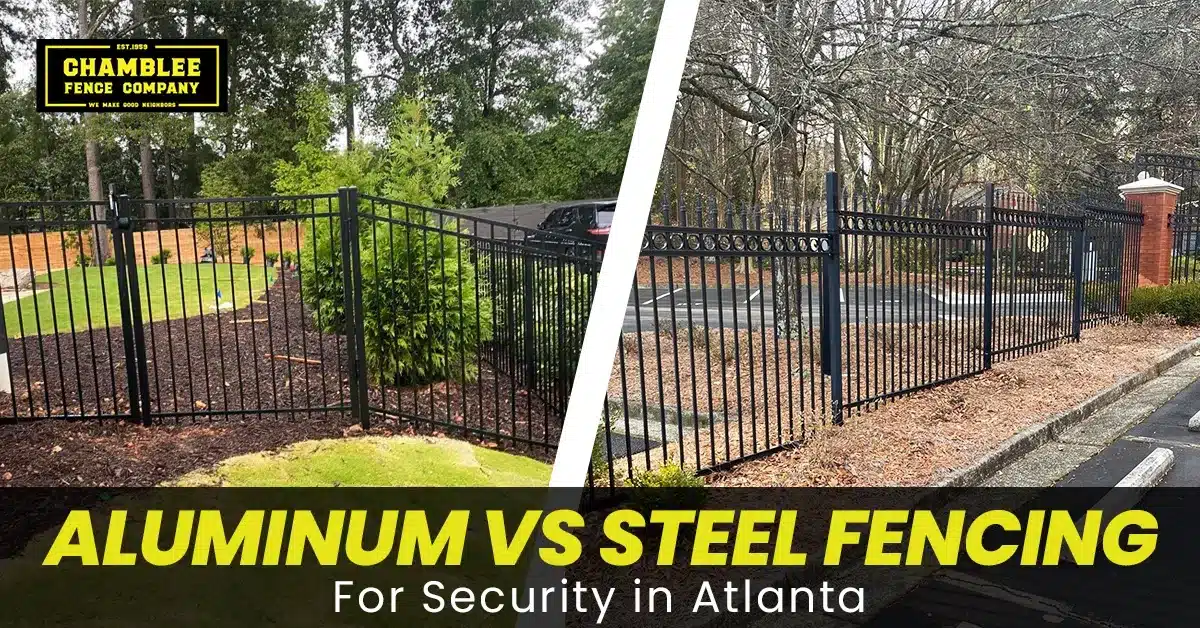
Choosing the right fencing material is crucial to securing your property, especially in a vibrant city like Atlanta. This guide will help you understand the differences between aluminum and steel fencing, focusing on their security features, maintenance requirements, and overall effectiveness. As crime rates fluctuate, understanding the best ways to secure your home or business becomes increasingly important. We'll explore essential security features, the advantages and limitations of both materials, and how they compare in terms of cost and durability. By the end, you will have a clearer understanding of which fencing solution best meets your security needs.
What Defines a Secure Fence for Atlanta Properties?
A truly secure fence is characterized by its height, material strength, and additional security features that deter unauthorized access. In Atlanta, where property security is a growing concern, these elements are vital for protecting your home or business. However, it's important to clarify: neither aluminum nor ornamental steel, on its own, stops a determined intruder. True security comes from a combination of factors, such as fence height, picket spacing, robust gate control, and, often, additional security systems. A secure fence not only acts as a physical barrier but also provides peace of mind.
When planning your fence in Atlanta, you'll also need to consider local realities. Many Atlanta neighborhoods have Homeowners Association (HOA) height limits, especially for front-yard fences, often capped at 4 feet. This can significantly limit the real-world security benefit regardless of the material. Additionally, pool code requirements dictate specific fence heights and gate self-latching mechanisms, and zoning setbacks determine how close your fence can be to property lines. Always check with your local municipality and HOA before starting any project.
Which Security Features Are Essential in Aluminum and Steel Fences?
- Height: Taller fences are more difficult to climb, enhancing security. However, local codes and HOAs often dictate maximum heights.
- Anti-Climb Designs: Features such as pointed tops or closely spaced vertical bars make it difficult to scale.
- Gate Security: Gate locking mechanisms are crucial for preventing unauthorized entry. This is often the weakest link in any fence system if not properly secured.
Why Is Security Especially Important for Atlanta Homes and Businesses?
Security is particularly important in Atlanta due to its historically higher crime rates compared to national averages, including property crimes such as burglary and vandalism. Recent statistics show that while crime rates have fluctuated, property crime remains a concern for you as a resident or business owner. A robust fencing solution not only protects physical assets but also enhances the overall safety of your community. Investing in a secure fence can significantly reduce the risk of theft and vandalism, making it a wise choice for your property.
What Are the Security Advantages and Limitations of Aluminum Fencing in Atlanta?
Aluminum fencing offers several advantages, making it a popular choice among many Atlanta property owners. Its lightweight nature and rust resistance are significant benefits, especially in Georgia's humid climate.
How Does an Aluminum Fence Resist Rust and Require Low Maintenance in Atlanta's Climate?
Aluminum is naturally resistant to rust because it forms a protective oxide layer when exposed to air. This is a crucial factor in Atlanta's humid environment, where moisture can quickly degrade other materials. In our experience, aluminum fences require less maintenance than steel. Regular cleaning and occasional inspections are typically sufficient to keep them in good condition, making them a practical choice for busy homeowners. While aluminum won't rust, its lighter weight can make it more susceptible to bending or denting from impacts, which is a common source of frustration for some homeowners.
What Anti-Climb and Gate Security Features Does Aluminum Fencing Offer?
Aluminum fences can be designed with various anti-climb features, such as pointed tops and closely spaced vertical bars. Additionally, they can be equipped with secure locking mechanisms on gates, enhancing their overall security. However, because aluminum is inherently bendable, a determined intruder might still be able to compromise these features if the fence isn't sufficiently robust or tall. We've also seen that aluminum's rackability (ability to follow sloped terrain) is excellent, but extreme slopes can sometimes lead to larger gaps under the fence, which can be a security concern.
How Does Steel Fencing Provide Superior Strength and Security for Atlanta Properties?
Steel fencing is renowned for its strength and durability, making it an excellent choice for high-security needs. Its robust construction can withstand significant impacts, providing a formidable barrier against intruders.
What Makes Steel Fences Impact-Resistant and Suitable for High-Security Needs?
Steel fences are designed to be impact-resistant, which is essential for properties that require a higher level of security. Their solid construction effectively deters potential intruders, making them suitable for both residential and commercial applications. This strength is particularly beneficial in areas prone to vandalism or break-ins. From an installer's perspective, steel's structural integrity is unmatched. However, we often see issues with post movement in Atlanta's expansive clay soil when posts aren't set deep enough or when concrete footings aren't properly installed. This can compromise the fence's strength over time, especially after heavy rain or during drought.
How Does Steel Fence Maintenance and Rust Protection Work in Georgia's Humid Environment?
While steel is prone to rust, proper maintenance can mitigate this issue. Applying protective coatings such as galvanization or powder coating is essential. However, even with these, rust at weld points is a common failure point we see in the field, especially in Atlanta's humid climate. Regular inspections are crucial, and you should be proactive in addressing any signs of rust to ensure your fencing's longevity. Neglecting small rust spots can quickly lead to larger, more costly repairs. We often advise clients that while steel is strong, it demands more diligent care than aluminum to truly last.
How Do Aluminum and Steel Fences Compare in Security, Maintenance, and Cost for Atlanta?
What Are the Key Differences in Strength, Rust Resistance, and Longevity?
| Feature | Aluminum Fence | Steel Fence |
| Strength | Moderate (can bend under force) | High (very resistant to impact) |
| Rust Resistance | Excellent (naturally rust-proof) | Moderate to High (requires galvanization/powder coating; rust at welds is common) |
| Longevity | 20-30 years (minimal maintenance) | 20-40 years (with diligent maintenance and prompt rust repair) |
| Common Failure Points | Bending, denting, and rackability limits on extreme slopes | Rust at welds, post movement in clay soil, coating failures |
How Do Installation and Long-Term Costs Affect Fence Value?
Installation costs can vary significantly between aluminum and steel fencing. Generally, aluminum fencing is less expensive to install because it is lightweight, requiring less labor and simpler equipment. Steel fencing may incur higher installation costs due to its weight, the need for more robust support structures, and the specialized welding or fabrication often involved. We've also seen cost overruns due to unexpected soil conditions in Atlanta, like rock or dense clay, which can make post-hole digging more challenging. While steel has a higher upfront cost, its superior strength can offer long-term value, but only if you commit to its more intensive maintenance schedule. Repair costs for steel can also be higher, especially if welding is required.
When Each Material Might Disappoint You in Atlanta
Understanding the practical limitations of each material can help you avoid customer regret:
- Aluminum Fencing Disappointments:
- Bendability: While strong enough for most residential needs, aluminum can bend or dent under significant force, such as a vehicle impact or a determined intruder.
- Rackability Limits: While good for slopes, extreme elevation changes can create larger gaps under the fence panels, potentially compromising security or pet containment.
- Less Imposing: For high-security needs, aluminum's lighter appearance might not provide the same visual deterrent as a robust steel fence.
- Steel Fencing Disappointments:
- Rust at Welds: Despite galvanization and powder coating, weld points are often the first to rust, especially in Atlanta's humid climate. This requires prompt attention to prevent spread.
- Higher Repair Costs: If a section of steel fence is damaged, repairs can be more complex and costly, often requiring specialized welding or panel replacement.
- Gate Sag and Latch Misalignment: Due to the weight of steel gates, we frequently see issues with gate sag and latch misalignment over time, particularly if posts aren't properly reinforced in Atlanta's clay soil. This can compromise security and functionality.
- Intensive Maintenance: To achieve its maximum longevity, steel requires more diligent maintenance, including regular inspections for rust and touch-ups, which can be a burden for some property owners.
Which Security Fence Material Is Best for Residential vs Commercial Properties in Atlanta?
The choice between aluminum and steel fencing often depends on the specific security needs of residential versus commercial properties. Each type of property has unique requirements that influence material selection.
What Are Residential Security Fence Needs and Ideal Metal Choices?
For residential properties, aluminum fencing is often preferred for its aesthetic appeal and low maintenance. You typically seek a balance between security and visual appeal, making aluminum a popular choice. It's also easier to install around existing landscaping and tree roots, which are common in Atlanta yards. However, if your residential property faces higher security risks or you desire a more formidable barrier, steel can be a superior choice, provided you're prepared for the maintenance.
How Do Commercial and Industrial Security Requirements Influence Fence Material Selection?
Commercial properties often require more robust security measures, making steel fencing a more suitable option. The strength and durability of steel can provide the necessary protection against potential threats, such as vehicle impacts or determined intruders, making it ideal for businesses that need to safeguard valuable assets. For industrial sites, steel's ability to integrate with advanced security systems and withstand harsh conditions makes it the preferred material. We often recommend steel for applications that require perimeter security against vandalism or unauthorized access.
What Security Gate Options Enhance Aluminum and Steel Fencing Systems in Atlanta?
Integrating security gates with aluminum and steel fencing systems can significantly enhance overall security. Various options are available to meet different needs, but it's crucial to consider the common failure points.
How Do Automated Gates and Access Control Integrate with Metal Security Fences?
Automated gates can be seamlessly integrated with both aluminum and steel fencing systems, providing an additional layer of security. Access control systems, such as keypads, remote entry systems, or intercoms, help you manage who enters your premises. However, we often see issues with gate sag and latch misalignment, especially on heavier steel gates, which can prevent automated systems from functioning correctly. Proper installation with reinforced posts is critical to prevent these common problems.
What Custom Gate Designs Are Available for Enhanced Security?
Custom gate designs can enhance the security of both aluminum and steel fencing systems. Options include reinforced gates with advanced locking mechanisms, anti-climb features, and designs that complement your property's overall aesthetic. These custom solutions can provide both functionality and style, ensuring that security does not compromise visual appeal. For maximum security, consider gates with internal bracing and heavy-duty hinges that can withstand repeated use and potential tampering.
How Do You Decide on the Right Metal Security Fence in Atlanta?
Choosing between aluminum and steel fencing is ultimately about how each material performs on your specific property, not which option sounds stronger on paper. In Atlanta, factors such as soil movement, moisture exposure, access points, gate weight, and neighborhood requirements often shape long-term security and maintenance far more than the material alone. Understanding how these local conditions affect fence performance helps avoid common issues such as gate misalignment, post movement, or premature wear. With decades of experience installing and servicing metal fencing across Atlanta,
Chamblee Fence Company approaches each project by evaluating site conditions, layout, and long-term use before recommending a solution. For property owners who want help reviewing their site or discussing next steps, requesting a fence consultation provides a straightforward way to get guidance specific to your location and security goals—without pressure to commit.