
Vinyl vs Wood Fencing: Which is the Best Long-Term Investment?
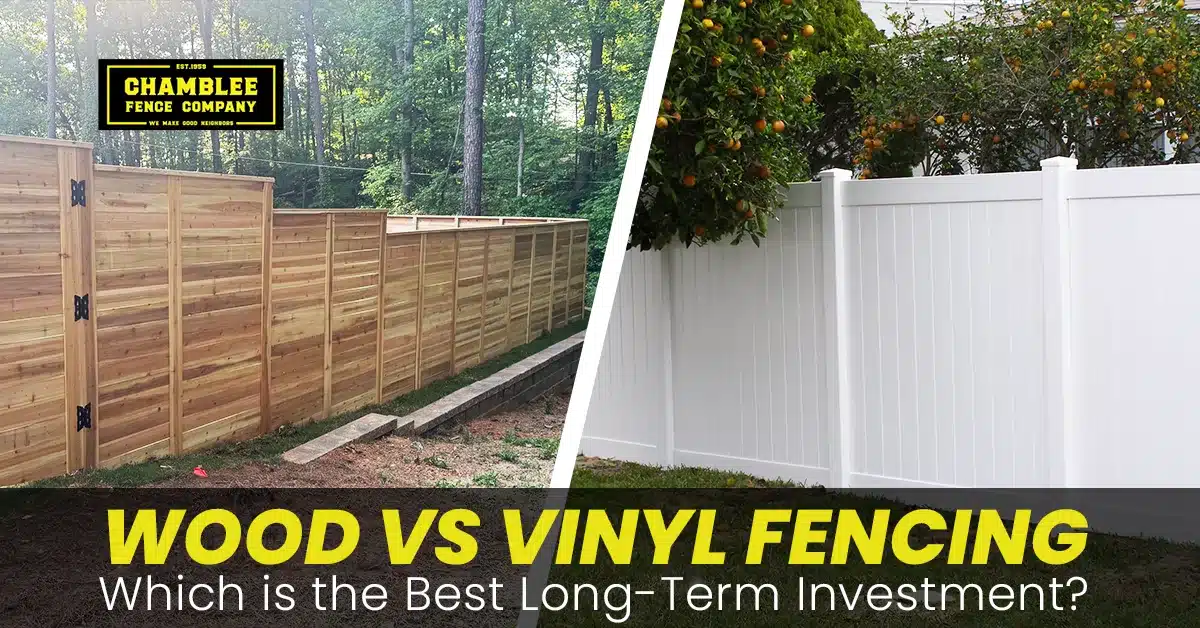
Choosing the right fencing material is a significant decision for homeowners, as it impacts both property aesthetics and long-term finances. This guide directly compares vinyl and wood fencing, focusing on their actual costs, durability, and long-term value.
We will address common homeowner concerns such as replacement costs, weather resilience, and how each material affects your home's resale value, helping you make a confident, informed decision.
What is the main difference between vinyl and wood fencing?
The main difference lies in their material composition, which dictates their maintenance, lifespan, and cost trajectory. Vinyl is a synthetic, low-maintenance material, while wood is a natural product requiring regular upkeep.
This fundamental distinction leads to significant trade-offs in initial investment versus long-term ownership experience and costs.
Which fence costs more upfront — vinyl or wood?
Wood fencing typically has a lower upfront cost compared to vinyl fencing. The initial installation for wood can range from $15 to $35 per linear foot, making it more accessible for immediate budgets.
In contrast, vinyl fencing generally costs between $25 to $45 per linear foot for installation. Key factors driving these prices include:
- Material Type: The specific grade and style of vinyl or wood.
- Installation Complexity: Terrain, fence height, and gate requirements.
- Local Labor Rates: Varies by region, including North Georgia.
Which fence lasts longer: vinyl or wood?
Vinyl fencing generally lasts significantly longer than wood fencing. A well-installed vinyl fence can last 20 to 30 years, often longer, with minimal degradation. Beyond material choice, the quality of installation—including post depth, spacing, and bracing—is a critical factor in a fence's overall longevity, regardless of material.
Wood fences, depending on the type and maintenance, typically last 7 to 15 years for pine and 15 to 25 years for cedar. Without consistent care, wood's lifespan can be considerably shorter due to rot, warping, and insect damage.
Is vinyl fencing worth the higher initial investment?
Yes, vinyl fencing is often worth the higher initial investment for many homeowners. While the upfront cost is greater, its superior durability and minimal maintenance requirements translate into substantial long-term savings.
Homeowners avoid the recurring expenses and labor associated with wood fence upkeep, such as staining, painting, and frequent repairs, making it a financially sound choice over the decades.
How do long-term costs compare between vinyl and wood fences?
Vinyl fencing offers significantly lower long-term ownership costs compared to wood fencing. The absence of regular maintenance tasks, such as staining or painting, drastically reduces expenses over the fence's lifespan.
Wood fences, while cheaper initially, incur high costs over time due to required treatments and potential repairs. This makes vinyl a more economical choice when considering the total cost of ownership.
Lifetime Cost Comparison Table (20 Years)
| Material | Initial Cost (per linear foot) | 10-Year Maintenance Cost (estimated total) | 20-Year Maintenance Cost (estimated total) | Illustrative 20-Year Cost Range (per linear foot) |
| Vinyl | $25 - $45 | $50 - $100 (cleaning) | $100 - $200 (cleaning) | $26 - $46 |
| Wood | $15 - $35 | $500 - $1,000 (staining/painting) | $1,000 - $2,000 (staining/painting, minor repairs) | $25 - $55 |
This table provides illustrative cost ranges. Exact total costs per linear foot can vary significantly based on fence length, specific material grades, and regional labor rates, and the maintenance costs listed are estimated totals, not per linear foot. This table shows that while wood costs less initially, its cumulative maintenance costs can quickly surpass vinyl's initial premium, especially over 20 years.
Which fence adds more value to your home over time?
Vinyl fencing can add consistent and long-term value to a home. Its pristine appearance, low maintenance, and exceptional durability are beautiful to potential buyers, enhancing curb appeal without future headaches.
While wood offers a classic aesthetic, its need for ongoing maintenance can be a deterrent for some buyers, potentially diminishing its long-term value proposition compared to vinyl's hassle-free appeal. In some markets, vinyl’s low maintenance appeals strongly to buyers, while in others, natural wood aesthetics may be preferred.
Does vinyl or wood fencing perform better in harsh weather?
Vinyl fencing generally performs well in many harsh weather conditions. It is engineered to withstand extreme temperatures, high humidity, and strong winds without warping, rotting, or splintering. However, lower-grade vinyl can become brittle in extreme cold or sag over time if posts aren’t correctly set, and prolonged UV exposure can cause some fading.
Wood, being a natural material, is susceptible to weather-related damage, including rot from moisture, cracking from sun exposure, and warping from temperature fluctuations, requiring constant vigilance and treatment. In humid or termite-prone regions, wood maintenance demands increase significantly, while vinyl performance depends heavily on material thickness and installation quality.
Which fence is better if you plan to stay long-term vs move soon?
For long-term homeowners, vinyl fencing is generally the superior choice due to its longevity and minimal upkeep. The higher initial investment pays off through decades of worry-free performance and avoided replacement costs.
If you plan to move soon, wood fencing can be a more cost-effective short-term solution. Its lower upfront cost lets you enhance your property's immediate appeal without committing to a long-term investment you may not fully realize.
What type of homeowner benefits most from vinyl fencing?
Homeowners prioritizing minimal maintenance, long-term durability, and consistent aesthetic appeal benefit most from vinyl fencing. This includes busy individuals, those seeking a "set it and forget it" solution, or anyone wanting to avoid the recurring labor and expense of fence upkeep.
Vinyl is ideal for those who view their fence as a permanent fixture that should require little to no attention beyond occasional cleaning, ensuring a beautiful property boundary for decades.
Is Vinyl or Wood the Right Long-Term Fence Investment for Your Home?
Choosing between vinyl and wood fencing ultimately depends on how long you plan to stay in your home, your maintenance preferences, and how you want to balance upfront cost with long-term value. Both materials can be the right choice in different situations, but making the best decision comes down to your priorities and local conditions.
Chamblee Fence Company helps homeowners evaluate these factors with real-world installation experience and practical guidance. If you’re comparing options for your property, getting a professional perspective can clarify which fence will serve you best over time.