
Best Fence Options for Backyards With Heavy Tree Coverage in Kennesaw
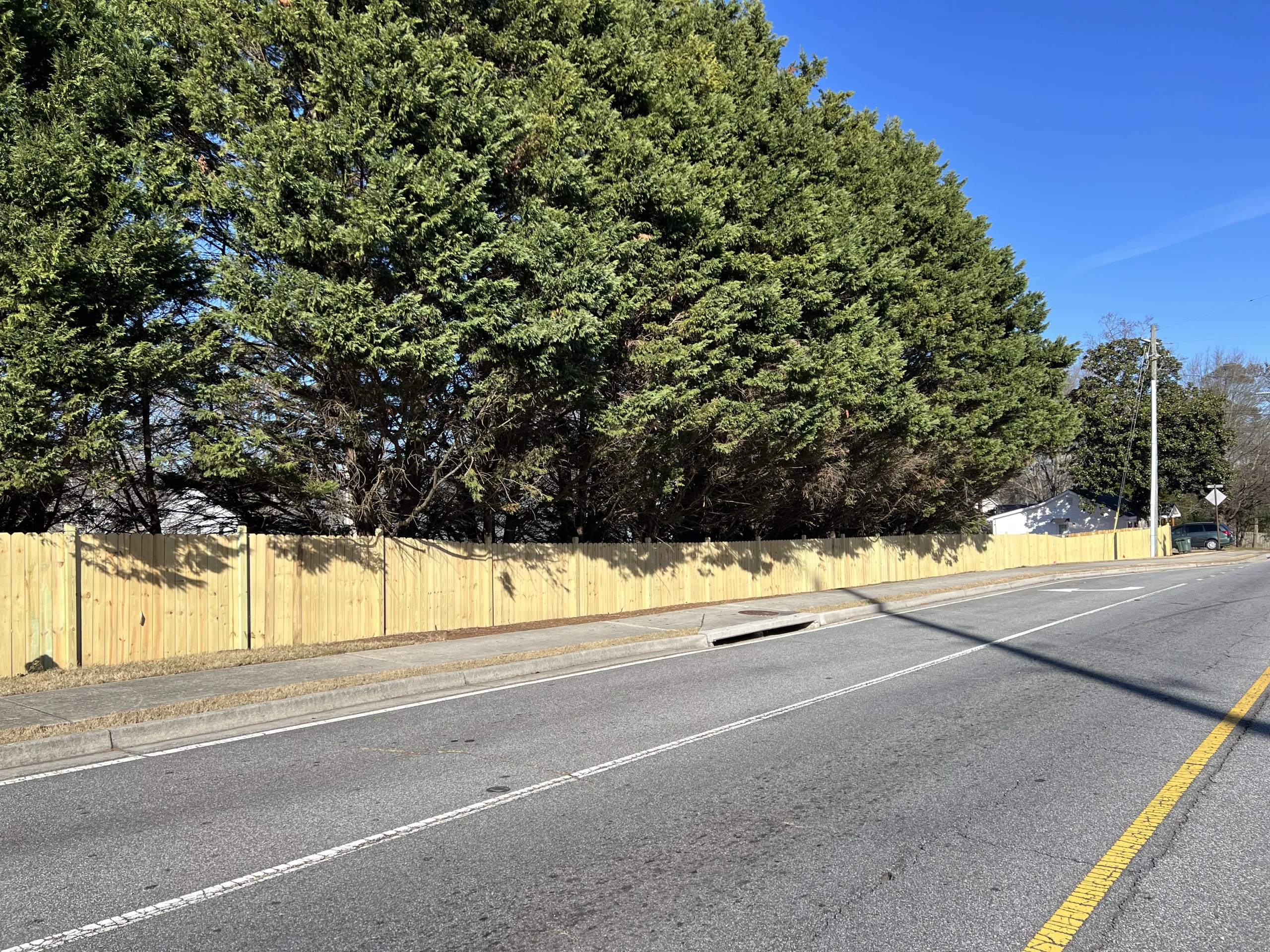
If your backyard has heavy tree coverage, installing a fence requires careful planning and customization. Standard straight-line installations rarely work without adjustments in wooded yards. Homeowners with dense trees face challenges in selecting and installing fencing that enhances privacy, security, and aesthetics while preserving the natural landscape. This article explores the best fence options for wooded yards, focusing on materials that are durable, eco-friendly, and tree-friendly. Readers will learn about various fencing materials, installation techniques that protect tree roots, and local regulations that may impact their choices. By understanding these factors, homeowners can make informed decisions that align with their landscaping goals.
What challenges do wooded backyards create for fence installation in Kennesaw?
Wooded backyards in Kennesaw present specific challenges for fence installation due to dense tree coverage, uneven terrain, and root systems. These factors complicate fence layout and durability. Additionally, poor drainage in shaded areas can accelerate rot and affect post stability over time. Addressing these challenges requires careful planning and the selection of materials suited to shaded, root-filled environments common in Kennesaw’s wooded properties.
- Tree Root Interference: Roots can obstruct post placement and pose a risk of damage if disturbed.
- Uneven Terrain: Slopes and irregular ground require adaptable fence designs.
- Shade and Moisture: Limited sunlight and clay soil increase moisture retention, affecting material longevity.
- Fence Layout Around Obstacles: Trees and natural features demand custom fence layouts to avoid damage and maintain aesthetics.
Can you install a fence around existing trees?
Yes, installing a fence around existing trees is possible, but it requires specialized techniques to avoid root damage and preserve tree health.
- Custom Fence Layout: Designing fences that curve or step around trees minimizes root interference.
- Root-Safe Installation: Using narrow post holes and avoiding major roots reduces harm.
- Consulting Professionals: Local fence contractors and arborists in Kennesaw can provide expert guidance.
Proper planning ensures the fence coexists with mature trees, maintaining both the landscape’s integrity and fence stability. Cutting large roots during installation can cause tree stress or instability, which may not appear for months.
What fence materials work best in shaded, tree-covered yards?
| Material | Performance in Wooded Conditions | Durability & Maintenance |
| Vinyl | Resistant to rot, pests, and moisture; handles shade well | Very low maintenance; occasional cleaning |
| Aluminum | Rust-resistant, durable in shaded, moist areas; works well around trees, but does not provide full privacy or noise blocking | Minimal upkeep; withstands weather extremes |
| Composite | Made from recycled materials; resists decay and moisture | Low maintenance; durable in shaded environments |
| Wood | Natural look but vulnerable to moisture and root proximity | Requires treatment; higher maintenance in shaded, damp areas |
Vinyl, aluminum, and composite fences generally outperform wood in Kennesaw’s shaded, wooded backyards due to their resistance to moisture and pests.
Is wood fencing a good option in heavily shaded areas?
Wood fencing offers a natural aesthetic but can struggle in heavily shaded, moist environments like Kennesaw’s wooded yards.
- Pros: Blends well with natural landscapes and trees.
- Cons: Susceptible to rot, insect damage, and warping due to moisture and limited sunlight.
Wood fences require careful selection of rot-resistant species and professional installation to minimize root interference and moisture exposure. For shaded areas, wood may need more frequent inspections and treatments to maintain durability.
How do vinyl and aluminum fences perform around trees and roots?
Vinyl and aluminum fences are well-suited for installation near trees and roots due to their durability and flexibility.
- Vinyl Fences: Resistant to rot and pests; flexible enough to accommodate uneven terrain and root systems.
- Aluminum Fences: Lightweight and rust-resistant; can be installed with minimal soil disturbance to protect roots, though they do not provide full privacy or noise blocking.
Both materials require less-invasive installation methods, reducing the risk of tree root damage and ensuring long-term fence stability on wooded properties.
What fence designs work best on uneven or root-filled terrain?
Fence designs that adapt to irregular ground and avoid root damage are essential for wooded yards with uneven terrain.
- Stepped Fence Panels: Panels installed in horizontal steps to follow slope changes.
- Racked Fence Panels: Panels angled to match the slope for a smoother appearance.
- Custom Layouts: Incorporate curves and offsets to navigate around trees and roots.
Choosing the right design depends on the slope gradient and root density. On wooded properties, we often see the need for tailored solutions to these challenges. Fence installation in wooded yards often takes longer than standard installs due to layout adjustments and limited access for equipment. Professional fence installation in Kennesaw can provide these customized approaches.
How does moisture and limited sunlight affect fence durability?
Moisture retention and shade in wooded yards increase the risk of material degradation.
- Wood Fences: Prone to rot, mold, and insect infestation in damp, shaded areas.
- Metal Fences: Aluminum resists rust, but iron or steel may corrode without proper coatings.
- Vinyl and Composite: Resist moisture-related damage and maintain structural integrity.
Materials that withstand moisture and limited sunlight are critical for long-lasting fences in Kennesaw’s wooded environments.
What layout strategies help avoid damaging tree roots?
Effective fence layout minimizes root disturbance and preserves tree health.
- Set Fence Posts Away from Major Roots: Identify and avoid large root zones during planning.
- Use Narrow Post Holes: Reduce soil disruption around roots.
- Flexible Fence Designs: Incorporate curves or offsets to navigate around trees.
- Consult Local Experts: Kennesaw fence contractors and arborists can assess root systems and recommend optimal layouts.
These strategies help balance fence stability with tree preservation on wooded properties.
What mistakes should homeowners avoid when fencing wooded yards?
Common pitfalls can compromise fence durability and tree health in wooded backyards.
- Ignoring Root Systems: Installing posts too close to roots can damage trees and destabilize fences.
- Choosing Inappropriate Materials: Using untreated wood or rust-prone metal in moist, shaded areas.
- Overlooking Terrain Challenges: Attempting straight fence lines on uneven ground leads to gaps and structural issues.
- Skipping Permits and Regulations: Failing to comply with Kennesaw zoning laws and HOA rules.
Avoiding these mistakes ensures a functional, durable fence that respects the natural landscape.
What is the best fence option for your wooded backyard in Kennesaw?
If your backyard has heavy tree coverage, the best results usually come from choosing materials that can handle moisture and a layout that works with—not against—the terrain.
In most cases, vinyl or aluminum fencing with a custom layout gives you the best balance of durability, low maintenance, and long-term performance in shaded, root-heavy yards.
What makes the biggest difference, though, is how the fence is planned and installed. In wooded properties, fence lines often need to shift around major roots, slopes, and tight access areas—something that standard installations don’t account for.
That’s why experience with wooded properties matters. Small decisions during layout and installation can affect how the fence holds up over time, especially in areas with heavy roots and poor drainage.At Chamblee Fence Company, we regularly work on wooded properties in the Kennesaw area, where layouts need to be adjusted around roots, slopes, and tight access areas. That experience allows us to design and install fences that fit naturally into the landscape and hold up over time.