
Avoiding Property Line Disputes When Installing a Fence in Kennesaw
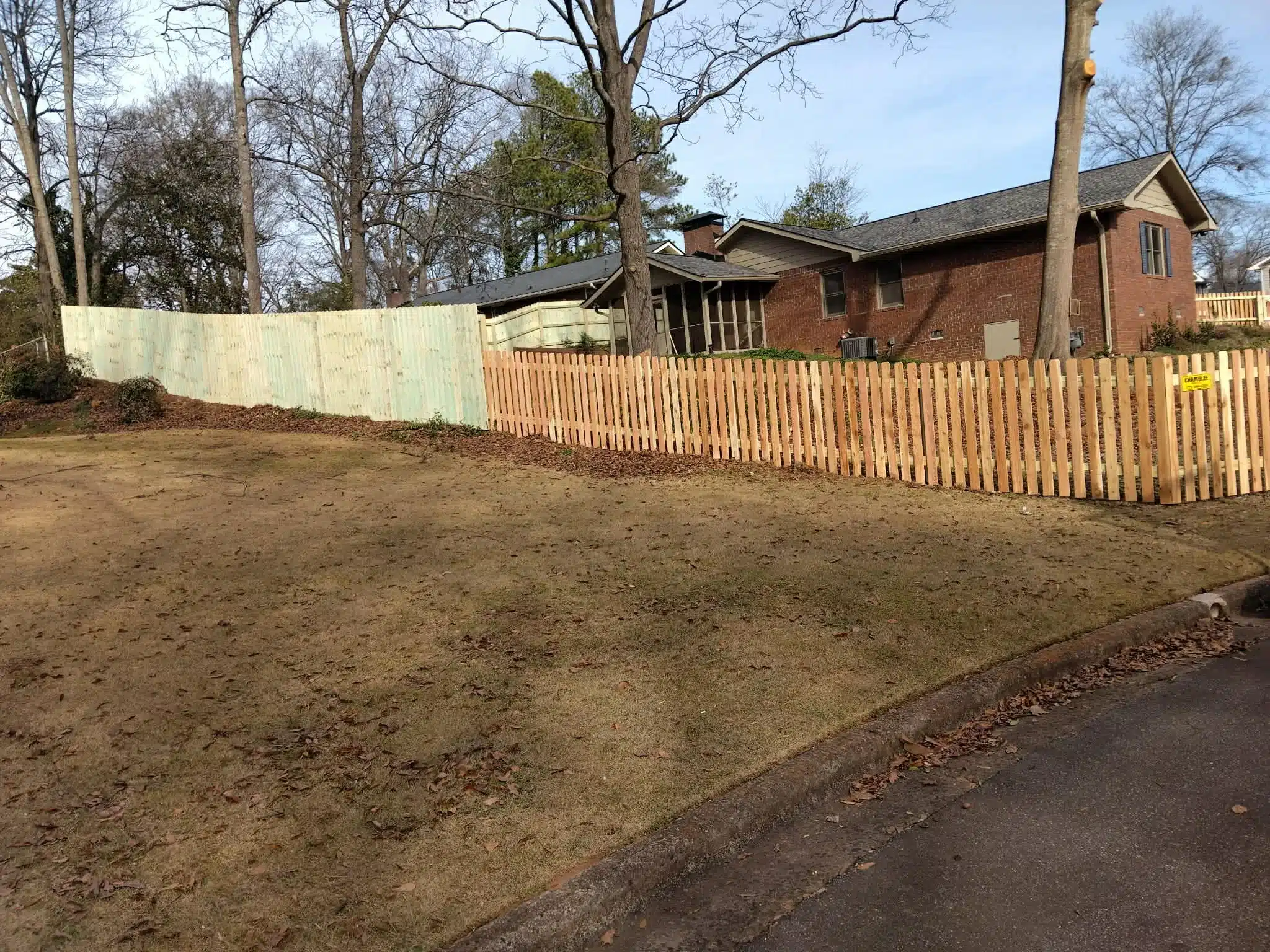
Installing a fence can significantly enhance your property's aesthetics and security in Kennesaw. While the process might seem straightforward, understanding and respecting property lines is crucial to avoid potential disputes with neighbors. The good news is that most property line conflicts are entirely preventable with the right proactive steps taken before your fence installation begins. This guide helps you understand the steps that reduce risk, allowing you to confidently plan and build your fence and ensure a smooth process and lasting peace of mind.
Why do property line disputes happen in Kennesaw fence projects?
Property line disputes in Kennesaw often arise from a lack of clear understanding about where one property ends and another begins, or from a misunderstanding of local regulations. Many homeowners inadvertently create problems by failing to take specific verification steps before construction. In most cases, boundary issues are enforced through neighbor complaints or civil action—not proactive city inspections.
Furthermore, the varied terrain of North Georgia lots, including slopes, dense tree lines, and erosion, can easily mislead visual estimates of boundaries, making them unreliable.
Common causes of fence boundary disputes include:
- Unverified or incorrectly assumed property lines.
- Failure to understand and comply with Kennesaw or Cobb County setback requirements.
- Lack of open communication or written agreements with neighbors.
- Overlooking necessary permits or Homeowners Association (HOA) approvals.
- Misinterpreting existing boundary markers or old surveys.
Do you need a survey before installing a fence in Kennesaw?
While not always legally required, a professional property survey is highly recommended before installing a fence in Kennesaw. It provides precise, legally recognized boundary verification, which is the most reliable way to prevent costly errors and potential disputes with neighbors.
While a survey provides precise, legally recognized boundary verification, it's important to understand its practical application. Fence installers rely on visible physical boundary markers, such as iron rods or pins. If these markers are missing, disturbed, or obscured, a surveyor may need to re-mark them before installation can proceed. Homeowners often confuse these official survey pins with other ground markers such as rebar from old construction, utility stakes, or even landscaping markers, which can lead to significant errors.
When an existing survey may still be valid
An older survey might be sufficient if it's recent, clearly legible, and if no property changes (such as subdivisions or easements) have occurred since its creation. However, even a recent survey may conflict with modern GIS data or newer plats, and it's always best to verify its accuracy and relevance with a professional, especially if you have any doubts or if significant time has passed or the property has changed.
Survey vs. No Survey Outcomes for Fence Installation
| Factor | With Professional Survey | Without a Professional Survey |
| Boundary Accuracy | Precise, legally defensible property lines. | Relies on assumptions, old markers, or visual estimates, prone to error. |
| Dispute Prevention | Significantly reduces the risk of neighbor disputes. | High risk of disputes, potential for encroachment. |
| Legal Protection | Provides strong evidence in case of a legal challenge. | Limited legal standing, difficult to prove the boundary. |
| Cost Implications | The initial cost for survey saves money on potential dispute resolution. | No initial survey cost, but there is a high potential for costly fence removal/relocation and legal fees. |
| Peace of Mind | Confidence that your fence is correctly placed. | Constant worry about potential boundary issues. |
Can you legally build a fence on the property line in Kennesaw, GA?
Yes, in many cases, you can legally build a fence directly on the property line in Kennesaw, GA, especially for residential backyard fences. This often requires mutual agreement with your neighbor, and it's crucial to check Kennesaw's specific zoning ordinances and any neighborhood covenants.
If you plan to build a fence directly on the property line, consider a "good neighbor" fence where both sides look equally finished, and discuss sharing costs and maintenance with your neighbor. A written agreement is always recommended.
What are Kennesaw and Cobb County setback requirements for fences?
Fence setback requirements in Kennesaw and Cobb County are not universal; they vary significantly based on your property's zoning district and the type of fence you plan to install. There isn't a standard 5- to 10-foot setback for all fences.
Instead, rules depend on whether the fence is in a front, side, or rear yard, and on its height. For example, front yard fences often have stricter height and setback restrictions. Always consult the City of Kennesaw or Cobb County zoning ordinances for the specific rules applicable to your property.
Should you talk to your neighbor before installing a fence?
Absolutely, discussing your fence plans with your neighbors before installation is one of the most effective ways to prevent future disputes and maintain good relations. Open communication fosters goodwill and allows you to address any concerns proactively.
Best practices for neighbor communication:
- Initiate Early Dialogue: Inform your neighbors about your plans well in advance of starting any work.
- Share Your Plans: Show them your proposed fence location, height, and materials.
- Listen to Concerns: Be open to their feedback and try to find mutually agreeable solutions.
- Document Agreements: If you agree on shared costs, placement, or maintenance, put it in writing and have both parties sign it.
How do HOA rules affect fence placement in Kennesaw neighborhoods?
Homeowners Association (HOA) rules can significantly impact fence placement, design, and materials in Kennesaw neighborhoods, often imposing stricter guidelines than local ordinances. These rules are designed to maintain community aesthetics and property values.
HOAs may require specific fence styles, colors, heights, or even pre-approval before any installation begins. Always review your HOA's Covenants, Conditions, and Restrictions (CC&Rs) and architectural guidelines before planning your fence project.
How can a professional fence contractor help prevent boundary disputes?
A professional fence contractor, especially one with local expertise like Chamblee Fence Company, plays a crucial role in preventing boundary disputes by ensuring compliance and accurate installation. Their experience is invaluable in navigating complex regulations.
Professionals understand Kennesaw's specific regulations, assist with permit navigation, and play a critical role in property line verification. This includes reviewing plats, refusing to set posts without confirmed boundary pins, and coordinating directly with surveyors when markers are unclear or missing. They ensure your fence is built correctly, legally, and to a high standard, minimizing errors that lead to conflicts and saving you time, money, and stress.
What happens if a fence is installed on the wrong property line?
Installing a fence on the wrong property line can lead to significant legal and financial consequences because it constitutes an encroachment on a neighbor's land. This oversight can quickly escalate into a costly and stressful situation.
Potential consequences of incorrect fence placement:
- Forced Removal or Relocation: You may be legally required to remove or move the fence at your own expense.
- Legal Fees and Fines: You could face lawsuits, court costs, and fines from local authorities.
- Strained Neighbor Relations: Boundary disputes can severely damage neighborly goodwill, leading to ongoing tension.
- Decreased Property Value: An unresolved encroachment issue can complicate future property sales.
Are shared or “good neighbor” fences a smart option in Kennesaw?
Shared or "good neighbor" fences can be a smart, cost-effective option in Kennesaw, provided there is clear communication and a written agreement between the property owners. These fences are typically built directly on the property line, with both neighbors sharing the cost and maintenance responsibilities.
The "good neighbor" design ensures that both sides of the fence have an equally finished appearance, promoting fairness and aesthetics. A formal, written agreement outlining responsibilities and costs is essential to prevent future misunderstandings and ensure a harmonious shared boundary.
How Do You Avoid Property Line Disputes When Installing a Fence in Kennesaw?
Avoiding property line disputes comes down to preparation, verification, and clear communication before any posts are set. In Kennesaw, assumptions based on old markers, visual estimates, or informal agreements are what most often lead to conflicts—not the fence itself. Taking the time to confirm boundaries, understand zoning and HOA requirements, and align expectations with neighbors helps ensure your fence is placed correctly and defensible from the start.
With decades of experience installing fences throughout Cobb County, Chamblee Fence Company approaches fence projects with a strong emphasis on boundary confirmation, permit compliance, and site-specific review. That measured process—working from verified information rather than assumptions—helps homeowners move forward confidently, knowing their fence is installed correctly and unlikely to become a source of future dispute.