
Best Fence Materials for Georgia’s Rainy Spring
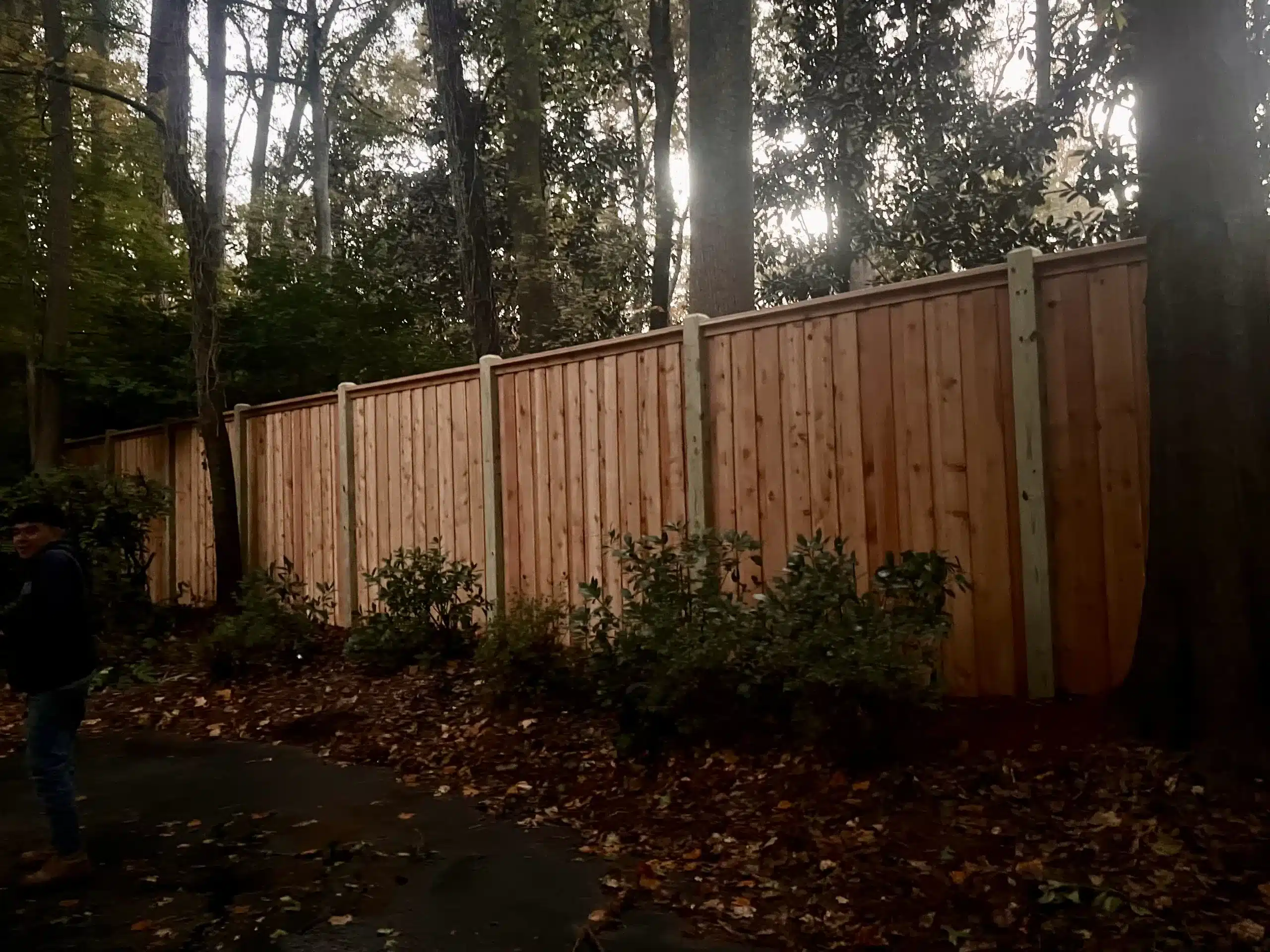
Georgia's rainy spring presents unique challenges for homeowners and businesses when selecting the right fencing materials. With high humidity and frequent rainfall, the durability and longevity of fencing can be significantly impacted. This article will explore the best fence materials suited for Georgia's wet climate, ensuring that your investment stands the test of time. We will discuss the key climate challenges, evaluate moisture-resistant materials, and provide guidance on choosing the right fence for your needs. Additionally, we will highlight why Chamblee Fence Company is a trusted partner for weather-resistant fence installation in Georgia.
What Are the Key Climate Challenges for Fencing in Georgia’s Rainy Spring?
Georgia's rainy spring brings several climate challenges that can affect the performance and longevity of fencing materials. Understanding these challenges is crucial for making informed decisions about fencing options.
How Does High Humidity and Frequent Rain Affect Fence Durability?
High humidity levels and frequent rain can lead to various issues for fencing materials. Wood fences are particularly susceptible to moisture, which can cause warping, rotting, and mold growth. Metal fences, on the other hand, may experience rust and corrosion if not properly treated or coated. The combination of moisture and temperature fluctuations can weaken the structural integrity of fences, leading to costly repairs or replacements over time. Therefore, selecting materials that can withstand these conditions is essential for maintaining fence durability.
What Soil and Temperature Factors Impact Fence Longevity in North Georgia?
In addition to humidity and rain, soil conditions and temperature variations play a significant role in fence longevity. North Georgia's clay soils can retain water, leading to drainage issues that may undermine fence posts if not properly installed with adequate drainage or concrete footings. We often see leaning fences where posts have shifted due to waterlogged holes, or concrete footings have washed out before fully curing during heavy rains. This also means delayed cure times for concrete, which can impact installation schedules. Proper post depth, footing diameter, and the strategic use of gravel for drainage or robust concrete mixes are crucial, especially when dealing with the varied slope and runoff conditions common in Metro Atlanta and North Georgia.
Furthermore, temperature extremes can cause materials to expand and contract, potentially leading to cracks or breaks. Understanding these factors is vital for ensuring that your fence remains stable and secure throughout the rainy season.
In Georgia spring installs, most fence failures start at the posts, not the panels, due to saturated clay soil. This is a critical factor we see every spring.
Which Fence Materials Offer the Best Moisture Resistance in Georgia’s Wet Climate?
When it comes to moisture resistance, certain fence materials outperform others in Georgia's wet climate. Selecting the right material can significantly enhance the longevity and performance of your fence.
Why Is Vinyl Fencing Ideal for Georgia’s Rainy Spring Conditions?
Vinyl fencing is an excellent choice for Georgia’s rainy spring due to its imperviousness to moisture. Unlike wood, vinyl does not absorb water, making it resistant to rot, mold, and mildew. Additionally, vinyl fencing requires minimal maintenance, as it does not need painting or staining. With a variety of aesthetic options available, vinyl fencing combines durability with visual appeal, making it a popular choice among homeowners. However, 'moisture-resistant' doesn't mean 'maintenance-free.' While vinyl won't rot, it can become brittle over time due to UV exposure, making it susceptible to cracking from mower or weed-eater impact, especially when the ground is soft and equipment can get too close. We've seen these types of repairs become common callbacks.
How Does Aluminum Fencing Resist Rust and Corrosion in Humid Areas?
Aluminum fencing is another strong contender for moisture resistance in humid areas. Its natural resistance to rust and corrosion makes it an ideal choice for environments with high humidity. The application of a powder coating further enhances its durability, providing an additional layer of protection against the elements. Aluminum fencing is lightweight yet strong, making it easy to install while ensuring long-lasting performance. While aluminum naturally resists rust, it's not immune to physical damage. We frequently see bending from fallen limbs during spring storms, or dents from accidental impacts. These issues, while not moisture-related, are common repair points we address.
How Do Pressure-Treated Wood and Composite Fences Perform During Georgia’s Rainy Season?
Pressure-treated wood is designed to resist rot and insect damage, but it still requires regular maintenance to ensure its longevity. You'll want to inspect your fences annually for signs of wear and apply sealants or stains to protect the wood from moisture. Regular cleaning to remove debris and mold can also help maintain the fence's appearance and structural integrity. A common failure point we observe is rot at ground contact and on untreated cut ends, even with pressure-treated wood, if not properly sealed or maintained. This is a frequent cause for callbacks and repairs.
What Are the Benefits of Composite Fencing for Moisture and Insect Resistance?
Composite fencing combines wood fibers and plastic, offering the aesthetic appeal of wood with enhanced durability. This material is resistant to moisture, rot, and insect damage, making it an excellent choice for Georgia's rainy climate. Composite fencing requires minimal maintenance and is available in various styles and colors, providing homeowners with versatile options that can withstand the elements.
What Are Cost-Effective and Durable Weatherproof Fence Options for North Georgia?
If you're seeking cost-effective and durable fencing solutions, you have several options that can withstand Georgia's rainy spring.
How Does Vinyl-Coated Chain Link Provide Security and Weather Resistance?
Vinyl-coated chain-link fencing is a practical choice for those seeking a balance between security and weather resistance. The vinyl coating protects the metal from rust and corrosion, keeping the fence functional and visually appealing over time. This type of fencing is also cost-effective, making it an attractive option for budget-conscious homeowners. However, even with vinyl coating, we often see rust developing at the ties, along the bottom tension wire, and within gate frames where the coating might be compromised or wear occurs. These are common areas requiring attention during maintenance checks.
What Are the Long-Term Cost Considerations for Different Fence Materials?
When evaluating fencing options, it's essential to consider the long-term costs associated with maintenance and replacement. While some materials may have a lower initial cost, they may require more frequent repairs or replacements, leading to higher overall expenses. Investing in durable materials like vinyl or aluminum can provide significant long-term savings, as they typically require less maintenance and have longer lifespans.
How Can Homeowners Choose the Right Fence Material for Georgia’s Rainy Spring?
Selecting the right fence material involves considering various factors that influence performance and aesthetics.
What Factors Should Influence Fence Material Selection in Georgia’s Climate?
You'll want to plan for moisture resistance, durability, and maintenance requirements when selecting fence materials. Additionally, local regulations and aesthetic preferences should also play a role in your decision-making process. Understanding the specific challenges posed by Georgia's climate can help you make informed choices that enhance the longevity of your fencing.
How Do Privacy, Aesthetics, and Maintenance Needs Affect Material Choice?
Privacy and aesthetics are crucial factors in fence selection. You might prefer solid panels for privacy, while others may prioritize decorative elements. Maintenance needs also vary by material; for instance, wood requires more upkeep than vinyl or aluminum. Balancing these factors with Georgia's practical climate considerations will yield a more satisfying fencing solution.
Spring Installation Reality Check
Installing a fence during Georgia's rainy spring comes with its own set of practical considerations. You'll want to plan for potential scheduling delays due to persistent rain, which can make job sites muddy and unsafe. We often have to manage muddy access for equipment and materials, implement erosion control measures to protect your yard, and sometimes use temporary bracing to ensure posts set correctly in saturated ground. These are all part of the reality of building durable fences in our unique climate.
Why Choose Chamblee Fence Company for Weather-Resistant Fence Installation in Georgia?
When installing weather-resistant fencing, choosing a reputable contractor is essential to ensure quality and durability.
What Local Expertise Does Chamblee Fence Bring to Georgia’s Rainy Spring Challenges?
Chamblee Fence Company, established in 1959, has extensive experience in providing fencing solutions tailored to Georgia's unique climate. Our deep understanding of local soil conditions—from the red clay of North Georgia to the varied urban soils of Metro Atlanta—and unpredictable weather patterns allows us to recommend the best materials and installation techniques for long-lasting performance. We've seen every type of spring challenge, from unexpected flash floods to prolonged saturation, and our expertise means we know how to mitigate risks such as post-heaving, concrete washout, and delayed curing. You can trust our insights to navigate the challenges posed by Georgia's rainy spring, ensuring your fence is built right the first time.
How Does Certified Installation Ensure Fence Durability and Customer Satisfaction?
At Chamblee Fence Company, we emphasize certified installation to guarantee the durability of our fences. Professional installation ensures that fences are built to withstand the elements, reducing the likelihood of future issues and costly callbacks. This includes precise post-hole digging, proper footing construction, and careful material handling to prevent common failure points we've identified over decades. Our commitment to customer satisfaction means we provide reliable service and quality craftsmanship, making us a trusted choice for homeowners in North Georgia who want a fence that truly stands the test of time and weather.