
Pressure-Treated Pine vs Cedar Fence Atlanta: Choosing the Best Option for Your Home
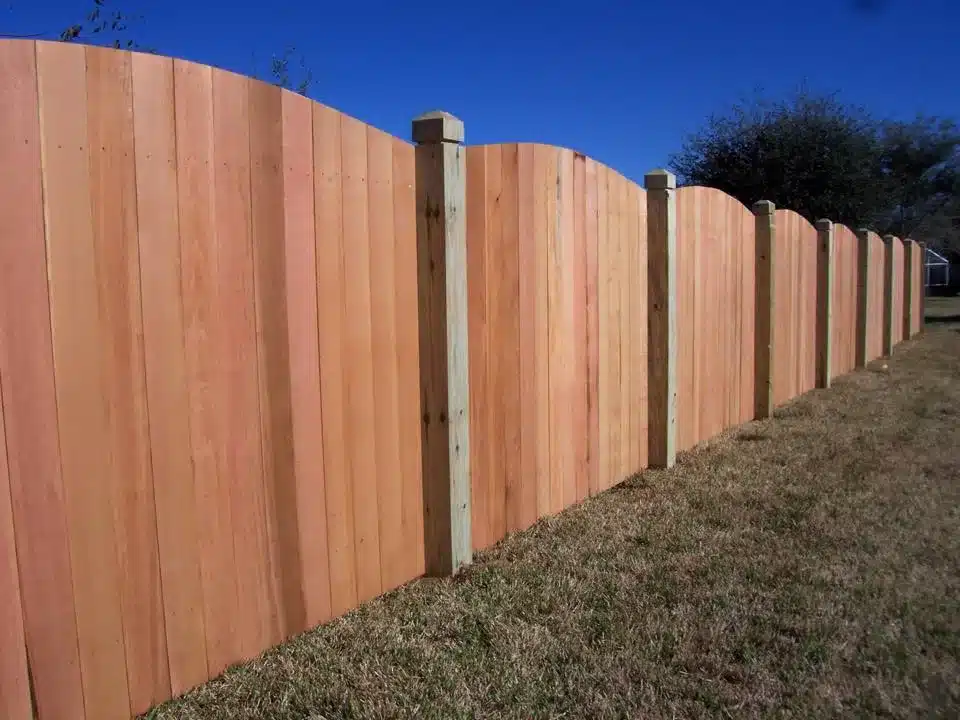
When it comes to building a durable and attractive fence, Atlanta homeowners often face one key question. Should you choose pressure-treated pine or cedar? Both materials are popular and reliable, but they offer different advantages depending on your goals, budget, and the look you want for your property.
Understanding the differences helps you make a confident decision that fits both your home’s style and Georgia’s unique weather conditions. Here’s what to know when comparing pressure-treated pine vs cedar fence Atlanta homeowners can trust for long-lasting beauty and performance.
How Do Cedar and Pine Compare for Durability and Lifespan in Atlanta's Climate?
Pressure-treated pine lasts 15-20+ years with chemical rot resistance, while cedar lasts 10-15 years with natural oils that resist moisture and pests. Pine handles wet conditions better; cedar performs well with good drainage.
Atlanta’s humid summers and mild winters can take a toll on wood fences over time. That’s why understanding how each material holds up to the elements is important before you build.
Pressure-treated pine is designed to resist rot, insects, and decay. The treatment process forces preservatives deep into the wood, making it more durable in wet and humid conditions. This makes pine a strong choice for homeowners who want affordability and long-term protection. With proper maintenance, a pressure-treated pine fence can last 15 to 20 years or longer.
Cedar fences, on the other hand, have natural oils that resist moisture, rot, and pests without the need for chemical treatment. While cedar doesn’t last quite as long as treated pine under constant moisture, it holds its shape better and is less likely to warp or twist. On average, a cedar fence lasts 10 to 15 years, though many well-maintained cedar fences in Atlanta stay in great shape for decades.
If your yard has good drainage and moderate shade, cedar can perform beautifully. For properties exposed to frequent rain or standing water, pressure-treated pine may be the more practical option.
What Are the Maintenance Requirements for Pine and Cedar Fencing?
Pine needs complete drying after installation, then sealing every 2-3 years plus regular cleaning. Cedar requires less maintenance but benefits from protective stain to prevent graying, though many prefer its natural silver patina.
Every wood fence needs some level of maintenance, but the upkeep varies between cedar and pine.
Pressure-treated pine should be allowed to dry completely after installation before applying a sealant or stain, usually a few weeks to a few months depending on weather. Sealing or staining every 2 to 3 years helps prevent moisture from penetrating the surface and protects against fading. Occasional cleaning and inspection for cracks or mold will also keep it looking its best.
Cedar fences require less maintenance overall because of their natural resistance to decay. However, applying a protective stain or sealant still helps preserve color and prevent graying. If left untreated, cedar gradually fades to a silvery-gray tone, which some homeowners prefer for its natural look.
In both cases, routine maintenance (washing, sealing, and quick repairs) extends your fence’s lifespan. If you enjoy a more hands-on approach to home care, either wood can be a rewarding investment. If you prefer a low-maintenance option, cedar’s natural resilience might appeal more.
How Do Pine and Cedar Compare on Cost and Long-Term Value?
Pine costs significantly less upfront, making it ideal for larger properties, though maintenance adds up over time. Cedar costs more initially but offers long-term value with fewer repairs and higher-end appearance.
Budget often plays a big part in choosing fencing material. Pressure-treated pine is typically the more affordable choice, costing significantly less than cedar at installation. This makes it a great option for larger properties or homeowners looking for strength without the higher upfront price.
Cedar, while more expensive initially, provides excellent long-term value for those who prioritize aesthetics and low upkeep. Its natural resistance to pests and rot means fewer repairs over time, and its color and texture give it a higher-end appearance.
When comparing costs, it’s helpful to think beyond installation. A well-maintained pine fence can last decades, but the maintenance and sealing products add up over time. Cedar may cost more upfront but could save on upkeep later. Your best choice depends on whether you prefer lower initial costs or longer-lasting curb appeal with less maintenance.
What Are the Appearance and Style Differences Between Pine and Cedar?
Pine has a light yellowish tone that accepts stain in any color for design flexibility. Cedar offers natural reddish-brown beauty with distinctive grain that weathers to elegant gray, providing timeless upscale appearance.
Your fence isn’t just a boundary. It’s part of your home’s overall design. The color and grain of the wood you choose can influence the entire look of your outdoor space.
Pressure-treated pine has a light, yellowish tone when new, which can be stained in nearly any color. This flexibility makes it ideal for homeowners who want to match their fence with specific exterior features or landscaping. When properly stained, pine takes on a rich, warm tone that fits both traditional and modern homes.
Cedar fences have a naturally beautiful reddish-brown color and distinctive grain patterns that look elegant even without staining. Over time, untreated cedar weathers into a soft gray that blends beautifully with natural surroundings. Many Atlanta homeowners love cedar for its timeless, upscale appearance.
Both materials can be styled in various ways with privacy panels, picket designs, or custom accents. The right finish and design can make either choice complement your property perfectly.
Which Is More Environmentally Sustainable: Pine or Cedar?
Cedar is naturally biodegradable without chemical treatment, making it cleaner for eco-conscious homeowners. Modern pressure-treated pine uses safer compounds and is sustainable when sourced from managed forests. Both are recyclable, and local sourcing reduces environmental impact.
For homeowners interested in eco-friendly options, both woods have environmental considerations worth noting.
Cedar is a natural, untreated wood that’s biodegradable and harvested from renewable sources. It doesn’t require chemical preservatives, which makes it a cleaner choice for environmentally conscious homeowners.
Pressure-treated pine, while treated with preservatives to resist decay, now uses safer compounds than older versions did. These modern treatments make pine a more sustainable option than in the past, especially when sourced from managed forests.
Both types of wood are recyclable at the end of their lifespan. Choosing locally sourced lumber can also reduce the environmental impact of transportation while supporting Georgia’s regional economy.
If sustainability is a priority, cedar holds a slight edge, but both can be environmentally responsible when purchased from reputable suppliers.
Finding the Right Fence for Your Home
Choosing between pressure-treated pine and cedar comes down to your personal preferences and property needs.
- For affordability and long-term durability: Pressure-treated pine offers excellent protection and strength, making it a practical choice for families and large yards.
- For natural beauty and low maintenance: Cedar provides elegant color and texture with built-in resistance to rot and insects.
Both materials can be tailored to suit your home’s look and environment with the right installation and care.
Chamblee Fence Company has been building and maintaining fences across Atlanta and North Georgia for decades. Our team can help you decide which wood type fits your home, budget, and lifestyle best. Contact Chamblee Fence Company today for a free consultation and estimate. We’ll help you design a fence that adds beauty, privacy, and lasting value to your property.