
How Often to Stain a Wood Fence: A Practical Guide for Atlanta Homeowners
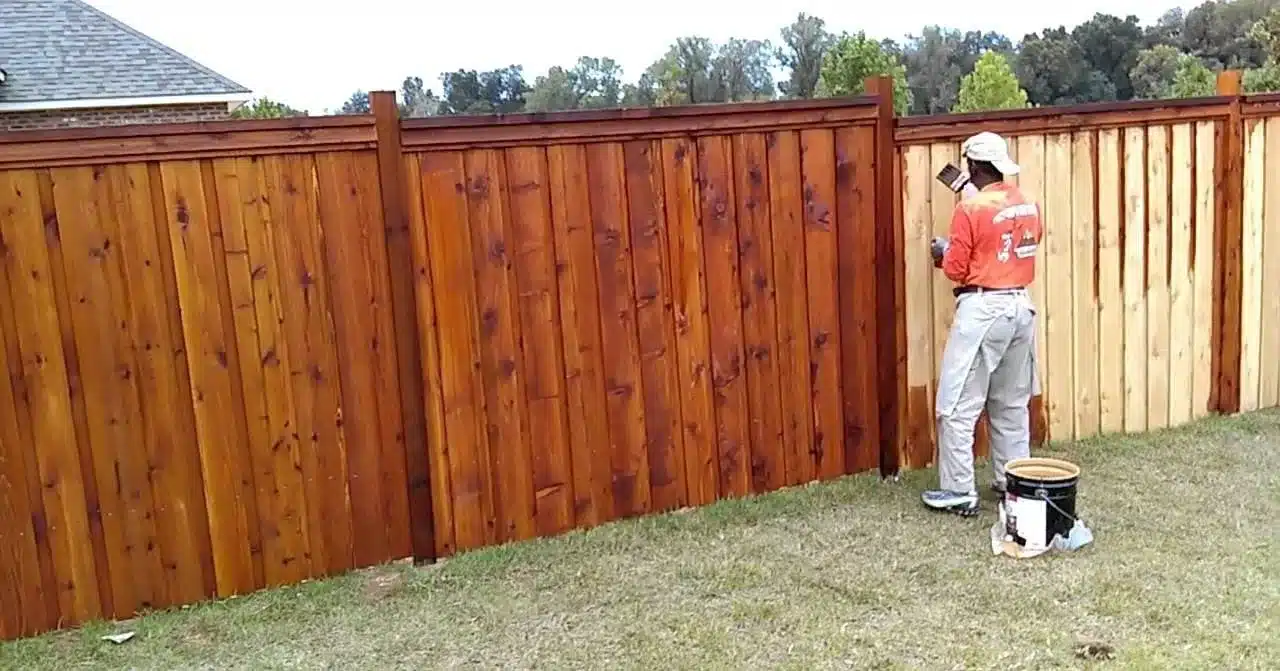
Restain your wood fence every 2-3 years on average. Sun-exposed fences may need staining sooner, while shaded fences can last slightly longer between applications.
Knowing how often to stain a wood fence can make all the difference in how well it stands up to Georgia’s changing weather. Sun, rain, and humidity can quickly wear down an untreated fence, leaving it faded, cracked, or weakened. The good news is that with a consistent staining schedule and a few smart maintenance habits, you can keep your fence looking great and structurally sound year after year.
Whether you plan to stain it yourself or call in professionals, following a regular routine protects your investment and saves you from costly repairs later on.
How Does Atlanta Weather Affect Fence Stain Longevity?
Hot summers, frequent rain, and high humidity cause wood to expand and contract, breaking down stain protection faster. UV rays fade sunny areas while shaded spots hold moisture that can cause mildew.
In the Atlanta area, weather plays a major role in how long a fence stain lasts. Hot summers, frequent rain, and high humidity mean outdoor wood is constantly expanding and contracting. Over time, that movement wears down the stain that protects the wood fibers underneath.
If your fence sits in direct sunlight, UV rays will fade the color faster and break down the top layer of protection. Shadier areas, on the other hand, hold moisture longer, which can cause mildew or soft spots if not properly sealed.
Because of these conditions, most Atlanta homeowners find that fences need restaining every 2 to 3 years on average. Fences with more exposure to sunlight or heavy rain may need attention sooner, while fences in partial shade may last a bit longer between applications.
What Are the Signs My Fence Needs Restaining?
Watch for fading color, water absorption instead of beading, rough texture, peeling stain, or visible mildew. These signs typically appear every 2-3 years but can occur sooner with heavy sun exposure.
Rather than guessing based on the calendar, let your fence show you when it’s ready for maintenance. You can spot several clear signs that staining is due:
- Fading or discoloration: When the color looks washed out or uneven, the UV protection has worn off.
- Water absorption: Sprinkle water on the surface. If it soaks in instead of beading up, the wood is no longer sealed.
- Rough or dry texture: Dry boards feel brittle and are more likely to crack or splinter.
- Peeling or flaking: Old stain breaking down indicates the surface needs reapplication.
- Visible mildew or gray areas: These suggest that moisture has started to penetrate the wood.
If you notice one or more of these signs, it’s best to restain soon before damage sets in. A quick inspection every few months helps catch problems early and keeps your fence in top shape.
How Do I Prepare a Fence for Staining?
Clean the surface thoroughly, allow 24-48 hours for drying, repair any damage, and lightly sand rough areas. Proper preparation ensures the stain adheres evenly and lasts longer.
Preparation is just as important as the stain itself. A clean, dry surface helps the new stain adhere properly and ensures even coverage.
- Clean the fence: Use a garden hose or pressure washer on a low setting to remove dirt, pollen, and buildup. For older stains or mildew, apply a wood cleaner or mild detergent.
- Allow time to dry: Let the fence dry completely for 24–48 hours before applying stain.
- Make small repairs: Replace loose or cracked boards and tighten hardware before staining.
- Lightly sand rough areas: A quick sanding removes splinters and allows the stain to soak in evenly.
These steps prepare the wood so the new coat bonds properly, helping the stain last longer even in harsh weather conditions.
What's the Best Way to Apply Fence Stain?
Stain on mild, dry days (50-85°F) using a brush, roller, or sprayer. Work with the wood grain, apply thin coats, and avoid direct sunlight or rain.
Once the fence is prepped, the right application method will make your results look professional and last longer.
- Choose the right day: Aim for a mild, dry day with temperatures between 50°F and 85°F and low humidity. Avoid staining in direct sunlight or before rain.
- Select your tool: A brush works well for detailed areas, a roller covers broad sections efficiently, and a sprayer can save time on larger fences if applied evenly.
- Apply thin coats: One thin, even coat often provides full coverage. If needed, apply a second coat after the first has dried according to the product instructions.
- Work with the grain: Always follow the direction of the wood grain to help the stain absorb evenly and avoid streaks.
A high-quality oil-based stain typically provides the longest protection for outdoor wood, while water-based options are easier to clean and dry faster. The best choice depends on your fence’s age, color, and the level of maintenance you prefer.
How Do I Maintain a Stained Fence Between Applications?
Clean once or twice yearly, trim nearby plants, touch up faded sections, and ensure proper drainage. Regular maintenance extends time between full staining jobs.
Even the best stain needs a little help to perform its best. Regular maintenance between staining cycles keeps your fence strong and attractive for years.
- Clean once or twice a year: Rinse away pollen, dirt, and debris that can break down the finish.
- Trim plants near the fence: Overgrown shrubs and vines trap moisture that speeds up wear.
- Touch up as needed: If you see a small faded section, spot-stain it before the issue spreads.
- Monitor drainage: Make sure water doesn’t pool around the base of your fence. Proper drainage prevents rot and mold.
By staying proactive, you can extend the time between full staining jobs and maintain your fence’s natural beauty with less effort.
Keep Your Fence Looking Its Best All Year
Keeping up with fence staining may seem like a small task, but it makes a big difference in how well your fence weathers the years. With Atlanta’s mix of heat, rain, and humidity, staying on top of maintenance ensures your fence stays strong, vibrant, and protected.
A practical schedule, combined with regular inspections and quick touch-ups, will help your fence last for decades.
Chamblee Fence Company has been helping Atlanta homeowners build and maintain beautiful fences since 1959. Whether you need professional staining, repairs, or a complete replacement, our team provides expert service and durable results tailored to your property. Contact Chamblee Fence Company today for a free consultation and estimate. Let’s keep your fence looking fresh, protected, and ready for every Georgia season.